Why Understanding Upwork Fees Is Critical Upwork is one of the largest freelance platforms in the world. It connects freelancers with clients globally and provides…


What Is a SWIFT Transfer? SWIFT transfers are one of the most traditional ways to send money internationally. Banks use…

Why Understanding Upwork Fees Is Critical Upwork is one of the largest freelance platforms in the world. It connects freelancers…

Why Payoneer Fees Matter More Than You Think Payoneer is one of the most widely used payment platforms among freelancers…

Why Payment Methods Matter for Freelancers in Europe Freelancers in Europe have access to a wide range of financial tools,…
Why Choosing the Right Payment Platform Matters Hiring international contractors gives businesses access to top global talent, but it also brings challenges—especially when it comes…

What Are Earned Wage Access (EWA) Platforms? Earned Wage Access (EWA) platforms allow workers to access a portion of their earned wages before their official…

Crypto Payments 2025: Best Practices for Freelancers Cryptocurrency payments are no longer a niche option — in 2025, they are…

Understanding Visa and Mastercard Fees For freelancers working internationally, Visa and Mastercard remain the most common payment rails. Yet, their…

Why Biometric Security Matters Freelancers deal with frequent online payments, making them vulnerable to phishing, SIM swapping, and account takeovers.…
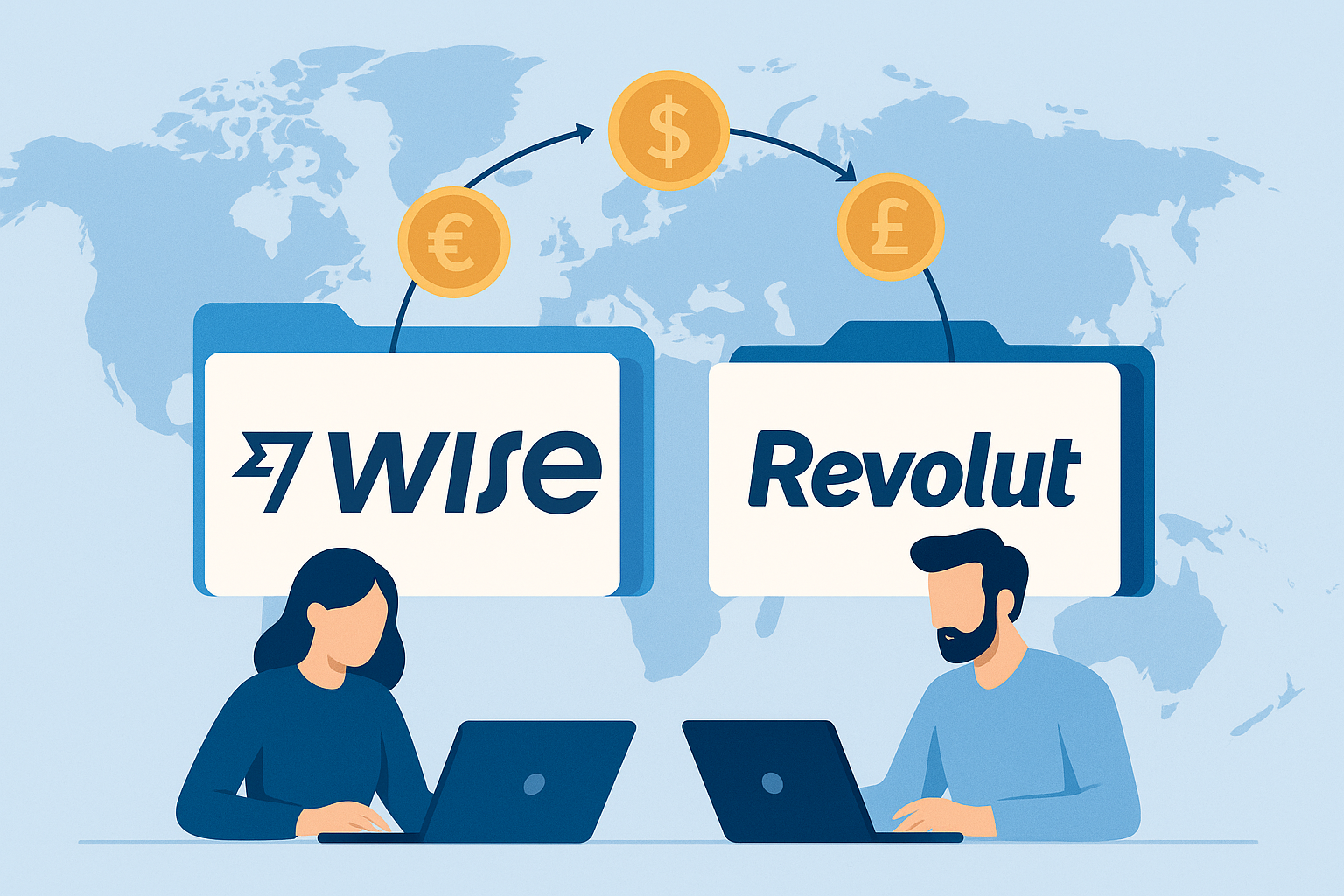
Wise vs Revolut for International Freelancers in 2025: Which One to Use? In 2025, freelancers working across borders need more…

Can Freelancers Use Stripe Without a Company? Stripe is widely known as a payment processor…
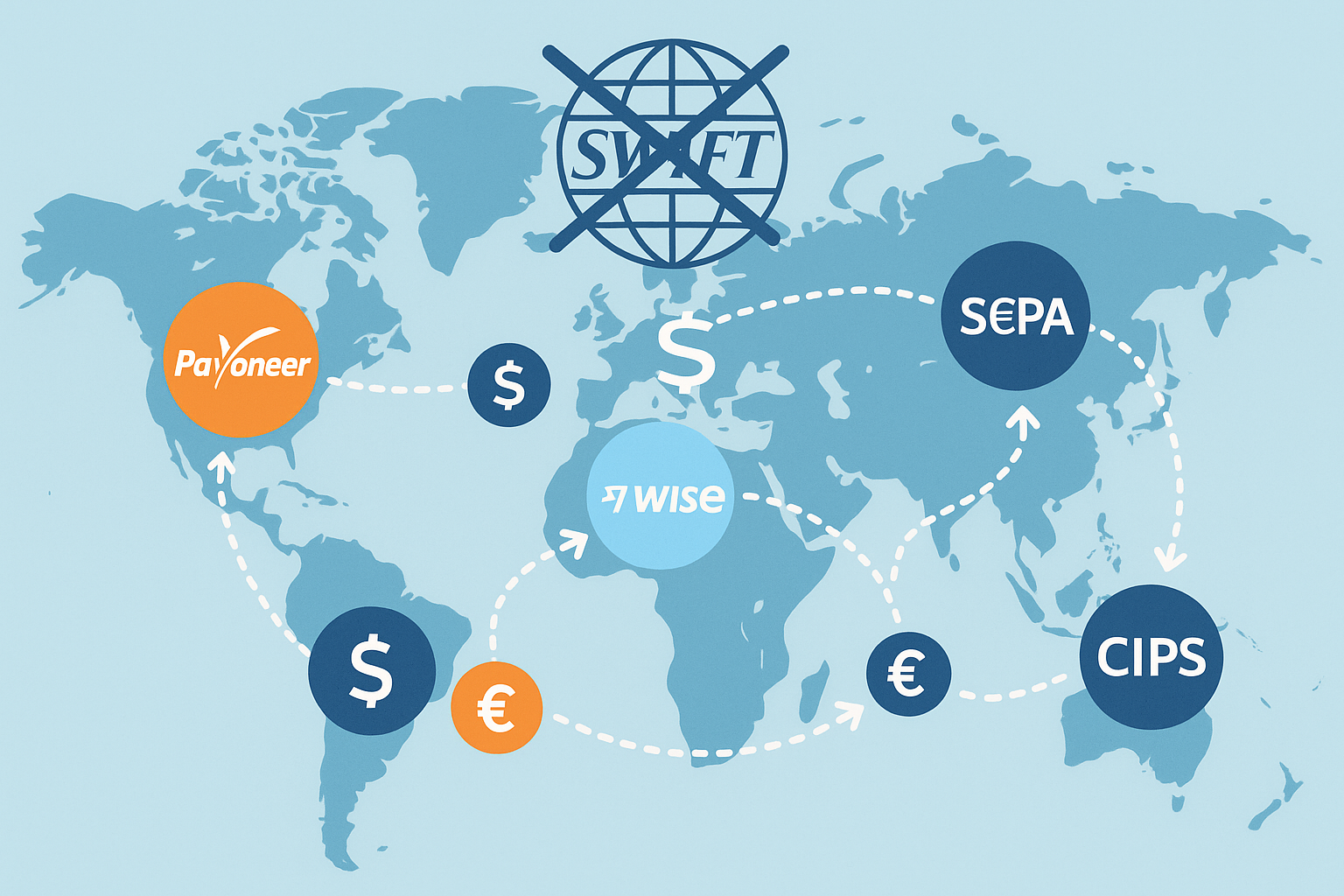
Why SWIFT Isn’t Enough Anymore SWIFT has been the global standard for interbank messaging and…